Why do we panic-buy toilet paper or hoard cash in a crisis?
Ever noticed how people rush to stock up on groceries before a storm or stop spending when the news warns of a recession? That’s the fear economy in action—when uncertainty makes us tighten our wallets. But why does fear control our spending habits? Let’s break it down in a way that actually makes sense.
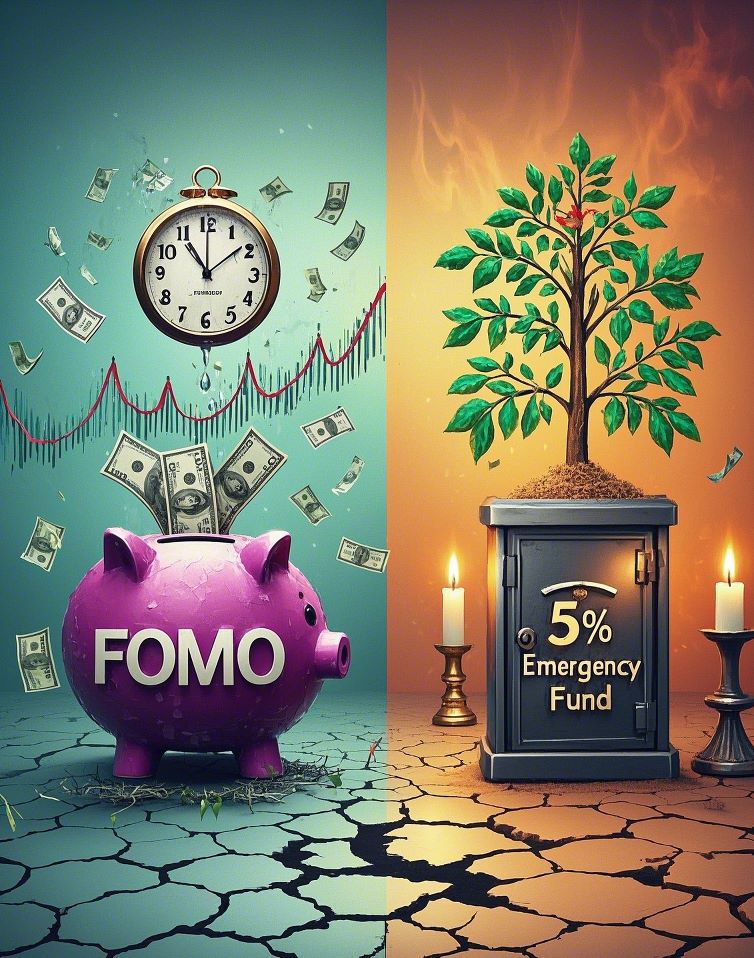
1. Fear of the Unknown: Why We Stop Spending
We don’t like uncertainty. When we’re unsure about the future, we default to playing it safe.
A shaky job market? We hold onto cash instead of upgrading our phones.
Talks of a financial crisis? We put off big purchases like homes or vacations.
But here’s the catch: when everyone does this, businesses struggle, jobs disappear, and the economy slows down even more.
2. Panic Buying: Why Scarcity Makes Us Irrational
Ever wonder why my husband keeps buying Ducati motorbikes? He swears each one is an ‘investment,’ but really, it’s classic FOMO (Fear of Missing Out) in action. Ducati releases limited edition models, and the fear of missing out makes him believe he has to get one before they’re gone. It’s the same psychology behind panic-buying—scarcity creates demand, and suddenly, logical spending goes out the window. Remember when people hoarded toilet paper in 2020? That was scarcity mindset at work.
We assume if everyone is buying something, it must be running out.
FOMO kicks in, and we panic-buy—driving prices up for no reason.
Companies use this trick too, like “limited stock” sales that push us to buy things we don’t actually need.
3. The Paradox of Saving: Why Hoarding Cash Can Backfire
Saving money is great, but too much saving can hurt the economy.
If everyone stops spending, businesses make less money.
Companies cut costs, lay off workers, and the fear cycle continues.
That’s why governments try to stimulate spending—with tax cuts, lower interest rates, or direct cash payments (like stimulus checks) to keep money moving.
4. Investment Anxiety: Why Fear-Freezes Decision Making
When the stock market drops, many people panic-sell their investments.
This “play it safe” move often leads to bigger losses—because markets usually recover.
Inflation eats away at cash savings, so avoiding investments entirely can be a losing strategy.
Smart investors stay calm, diversified, and think long-term rather than reacting to every scary headline.
5. Politicians & Media: Using Fear to Shape Spending
Governments and media know how to use fear to control economic behavior.
Politicians may hype up recession fears to justify stimulus packages and encourage spending.
On the flip side, fear-mongering about inflation or debt can push people to accept budget cuts and higher taxes.
The media profits from fear—scary headlines get clicks, but they can also cause unnecessary financial panic.
6. Outsmarting the Fear Economy: How to Stay Financially Sane
So, how do you make smart money decisions when fear is everywhere?
Pause before reacting. Ask: Is this real danger or media hype?
Stick to your plan. Whether investing or saving, don’t let short-term fear ruin long-term goals.
Spend wisely, not fearfully. Support businesses and make thoughtful purchases, but don’t go overboard.
Stay informed. The more you understand how money works, the less likely you are to panic.
Final Thoughts: Don’t Let Fear Control Your Wallet
Fear is a powerful force, but you don’t have to let it dictate your financial choices. Next time the news screams “recession,” take a breath, think critically, and ask yourself: Am I making decisions based on facts—or just fear?


 Mind & Money Hacks
Leave a comment